

Corporate Catering Ideas That Will Actually Impress Your Clients
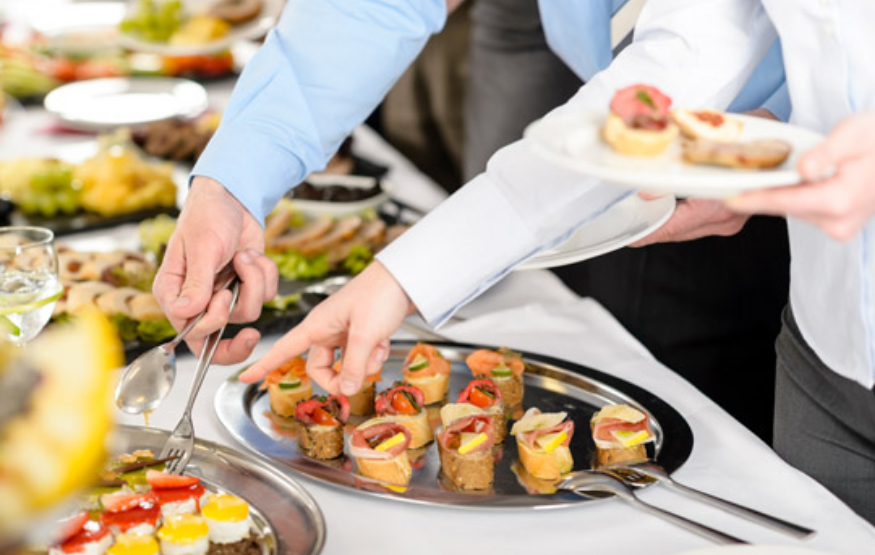
Food is no longer just a line item on a corporate event budget. It has become a critical strategic tool for building relationships, closing deals, and defining brand identity. Standard boxed lunches, dried-out chicken breasts, and generic deli platters do not say “we value your partnership.” Instead, they communicate a lack of effort.
To truly impress high-value clients, your culinary strategy needs to be intentional, modern, and experiential. The following corporate catering concepts move away from predictable event food, focusing instead on culinary innovation, dietary inclusivity, and flawless execution.
1. Interactive Food Stations with Live Chefs
Static buffets often lead to long lines and uninspired presentations. Interactive, chef-manned stations transform dining from a passive break into an engaging event feature. This format encourages networking, allows for seamless customization, and adds an element of culinary theater to the room.
-
The Deconstructed Raw Bar: Move beyond the standard shrimp cocktail on ice. Feature a chef shucking regional oysters to order, paired with house-made mignonettes, infused vodkas, and citrus caviars.
-
Artisanal Flatbread and Pinsa Stations: A live-fire or high-heat pizza stone station where guests choose premium toppings like truffled wild mushrooms, prosciutto di Parma, fig jam, and fresh burrata.
-
Custom Poke and Grain Bowls: Perfect for daytime meetings, this station offers a healthy, high-end alternative. Guests select a base of black rice or quinoa, topped with sashimi-grade tuna, spicy salmon, avocado, edamame, and artisanal dressings.
2. Elevated Hyper-Local Tasting Menus
If your clients are traveling from out of town, generic continental cuisine misses a massive opportunity to showcase your city’s culture. Highlighting local purveyors, regional specialties, and seasonal ingredients demonstrates sophistication and civic pride.
Curating a Sense of Place
Work with a caterer who partners directly with local farms, rooftop gardens, and artisanal cheesemakers. For a formal sit-down dinner, structure the meal as a four- or five-course tasting menu, complete with a printed card detailing the origin of each ingredient.
Regional Pairings
Elevate the meal by pairing courses with local beverages. This could mean showcasing wines from a nearby AVA, craft beers from the neighborhood brewery, or small-batch spirits distilled in the city center. It gives clients a narrative to engage with during the meal, sparking organic conversation.
3. Sophisticated Micro-Plates and Passing Trays
For cocktail receptions and networking mixers, heavy appetizers can be awkward to eat while holding a drink and a business card. The solution is sophisticated micro-plates—miniature, self-contained versions of high-end entrees designed for effortless consumption.
-
Deconstructed Beef Wellington: A single bite of tender filet mignon, mushroom duxelles, and puff pastry, served on a ceramic spoon.
-
Ahi Tuna Tacos: Miniature, crispy wonton shells filled with tartare-style tuna, avocado mousse, and a touch of soy-ginger glaze.
-
Truffled Macaroni and Cheese Croquettes: Crispy, panko-crusted bites that offer comfort food familiarity with a premium twist.
-
Miniature Soup Shooters with Grilled Cheese: A demitasse cup of rich tomato-basil bisque topped with a perfectly sized sharp cheddar brioche melt.
4. Curated Global Street Food
Street food is universally loved, but it requires a refined touch for a corporate setting. By elevating global street food classics with premium ingredients and elegant presentation, you create a memorable, casual-yet-sophisticated dining experience.
-
Bao Bun Bars: Soft, steamed lotus buns filled with choices like 48-hour braised pork belly, crispy Peking duck, or glazed king oyster mushrooms, topped with pickled daikon and hoisin glaze.
-
Gourmet Street Tacos: Ditch the standard ground beef. Offer slow-roasted barbacoa, citrus-marinated octopus, or grilled halloumi cheese on house-made heirloom corn tortillas with charred salsa verde.
-
Yakitori and Skewers: High-quality cuts of wagyu beef, chicken thigh with scallions, and glazed pork belly grilled over traditional binchotan charcoal, serving up incredible aroma and flavor.
5. Next-Level Beverage Architecture
The bar is often the first place clients visit, making it a crucial touchpoint for first impressions. Moving beyond standard beer and wine setups shows exceptional attention to detail.
The Mocktail Movement
Inclusivity is key in modern corporate entertainment. A high-end event must offer alcohol-free options that are just as complex and beautifully presented as their alcoholic counterparts. Utilize botanical distillates, house-made shrubs, fresh pressed juices, and smoked garnishes to create sophisticated zero-proof cocktails.
Interactive Beverage Stations
Consider a custom gin and tonic bar featuring various tonic waters, fresh botanicals, citrus wheels, and peppercorns. Alternatively, a smoked bourbon station where a bartender torches cedar planks or cherry wood to infuse glassware adds an unforgettable sensory element to the room.
6. Curated Dietary Inclusivity
Vegetarian, vegan, gluten-free, and allergen-conscious options should never feel like an afterthought. When a client with dietary restrictions is served a basic garden salad while everyone else eats a filet, it signals a lack of hospitality.
Design your menu with inclusivity at its core. Work with your caterer to ensure that the plant-based and gluten-free items are just as complex, visually stunning, and flavorful as the standard menu items. For example, a main course of pan-seared king oyster mushroom scallops over parsnip purée can rival any meat-based dish in both presentation and taste.
7. High-End Boardroom Bento Boxes
When a working lunch is required, avoid the classic platters of soggy sandwiches. Upgrade to premium, Japanese-style bento boxes or compartmentalized custom lacquer boxes.
This approach keeps the food beautifully separated, preserves textures, and feels incredibly premium. Fill them with sliced seared duck breast, chilled soba noodle salad, sesame-crusted tofu, and fresh seaweed salad. It is clean, easy to eat while reviewing spreadsheets, and distinctly upscale.
8. Artisanal Dessert and Coffee Concepts
The end of a meeting or event leaves a lasting impression. Do not settle for a platter of generic cookies. Invest in a dessert experience that concludes the day on a high note.
-
Liquid Nitrogen Ice Cream Bar: A chef instantly freezes custom ice cream flavors using liquid nitrogen right in front of the clients, creating a dramatic cloud of vapor and an incredibly smooth dessert.
-
Third-Wave Coffee Cart: Bring in a professional barista with a sleek espresso machine. Offer single-origin pour-overs, custom lattes with intricate latte art, and dairy-free milk alternatives like oat and macadamia nut.
-
Miniature Pastry Flights: A curated selection of delicate French macarons, dark chocolate tarts, and seasonal fruit galettes, allowing clients to sample multiple flavors without feeling weighed down.
Frequently Asked Questions
How far in advance should I book a high-end corporate caterer?
For premium corporate events, it is best to secure your caterer three to six months in advance. High-end caterers often book up quickly during peak corporate seasons, such as late spring and the winter holiday block. Booking early ensures ample time for menu customization, tastings, and sourcing specific seasonal ingredients.
What is the most efficient way to gather client dietary restrictions without sounding intrusive?
Include a clear, polite RSVP line in your digital or print invitations. Use phrasing such as: “To help us curate your dining experience, please indicate any dietary restrictions, allergies, or preferences by [Date].” This frames the request as a premium service rather than an administrative hassle.
How do I balance a menu when hosting clients from diverse cultural backgrounds?
Focus on a menu that avoids universally restricted proteins or offers clear alternatives. Avoid menus centered entirely around pork or shellfish unless alternatives are explicitly provided. Opt for a diverse mix of poultry, high-quality beef, and robust plant-based options, and ensure all dishes are clearly labeled.
What catering styles work best for a contract negotiation meeting versus a networking event?
Contract negotiations require focus and minimal disruption, making plated meals or high-end boardroom boxes ideal since they keep everyone seated. Networking events thrive on movement, making passing trays, micro-plates, and interactive food stations the superior choice to encourage mingling.
How can I ensure the food stays fresh if a presentation or meeting runs late?
Communicate potential schedule shifts with your catering captain before the event starts. Choose dishes that hold temperature well, such as braised meats, grain-based salads, and cold micro-plates. Avoid delicate soufflés, fried foods, or items that congeal quickly if left standing.
What is the standard protocol for tipping and gratuity in high-end corporate catering?
Most premium catering companies automatically include a service charge or administrative fee ranging from eighteen to twenty-four percent on the final invoice. It is vital to check whether this fee goes directly to the service staff as a gratuity or if it covers administrative costs. If it does not go to the staff, a cash tip for the kitchen and waitstaff is highly recommended for exceptional service.


