Spicing It Up: How to Use Herbs and Botanicals in Cocktails
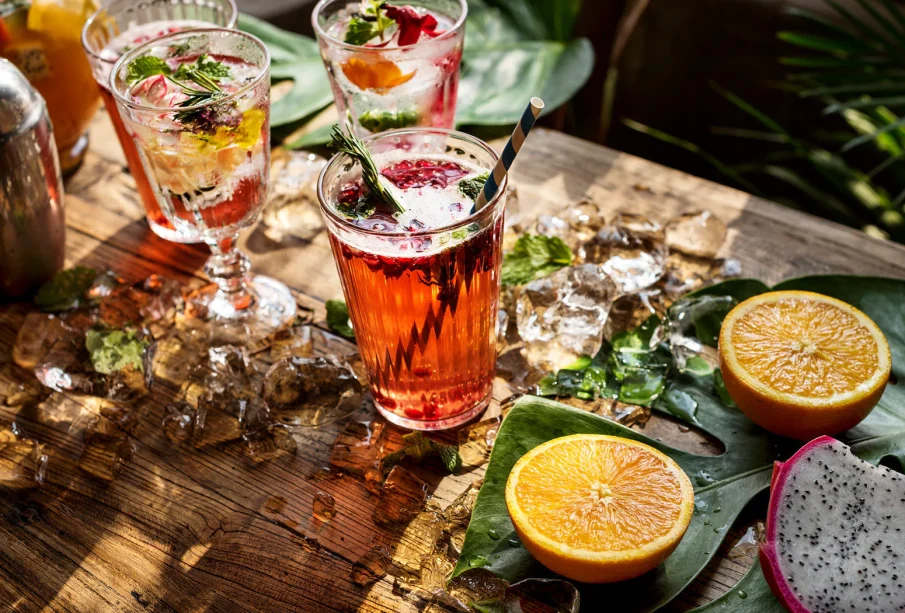
The modern cocktail renaissance has changed how people think about home bartending. Moving away from standard mixers, high-fructose corn syrups, and synthetic flavorings, amateur and professional bartenders alike are looking toward the garden for inspiration. The integration of fresh herbs and complex botanicals has transformed mixology from a basic exercise in balancing sweet and sour into a sensory culinary art. Incorporating fresh leaves, roots, seeds, and flowers allows you to add layers of depth, aroma, and complexity that traditional spirits cannot provide on their own.
Understanding how to source, prepare, and balance these organic elements is key to creating drinks that taste sophisticated rather than cluttered. When handled properly, botanicals do not mask the flavor of the base spirit. Instead, they elevate it, highlighting hidden tasting notes and adding structural complexity to every sip.
The Fundamentals of Botanical Mixology
Before throwing handfuls of garden clippings into a shaker, it helps to understand what makes these ingredients tick. Plants contain volatile organic compounds, primarily essential oils, that hold their unique aromas and flavor profiles. These oils are soluble in alcohol and sugar, which makes cocktails an ideal delivery system for botanical flavors.
When working with fresh plants, temperature and physical force alter the final taste profile. Gentle handling extracts bright, sweet, and aromatic notes, while aggressive processing can release bitter, astringent compounds like chlorophyll and tannins. Achieving balance requires a measured approach, matching the intensity of the botanical with the weight of the base spirit.
Core Techniques for Extracting Botanical Flavors
There are several distinct methods used to introduce herbs and botanicals into a beverage. Each technique yields a different concentration of flavor and suits specific types of ingredients.
Muddling Without Bruising
Muddling is the most common entry point for using fresh herbs, but it is also the most frequently executed incorrectly. The goal of muddling tender herbs like mint, basil, or cilantro is to gently express the essential oils stored in the leaves, not to shred the plant tissue into small, bitter pieces.
To muddle correctly, place the herbs at the bottom of the shaker tin along with your simple syrup or citrus juice. The sugar or liquid acts as a cushion. Use a wooden or plastic muddle with a flat bottom rather than a spiked head. Press down gently and give the tool a quarter-turn. Repeat this motion three to five times. If the leaves look bruised and intact, you have succeeded. If they look like pureed lawn clippings, you have over-muddled, which will introduce an unwanted bitter, grassy taste to the drink.
Cold and Hot Liquid Infusions
Infusing botanicals directly into spirits is an excellent way to create custom ingredients for your home bar. The high alcohol content of spirits acts as an efficient solvent, drawing out both water-soluble and fat-soluble flavor compounds.
-
Cold Infusions: Ideal for delicate herbs, citrus peels, and fresh fruit. Simply place the ingredients into a glass jar filled with the spirit of your choice, seal it, and let it sit at room temperature. Tender herbs like basil or dill require very little time, often fully infusing within 12 to 24 hours. Harder botanicals like rosemary or ginger can take anywhere from three to seven days. Taste the infusion daily to monitor its strength.
-
Rapid Infusions: For rapid results, some mixologists use whipped cream chargers to force high pressure into a container holding alcohol and botanicals. This technique instantly forces the alcohol into the plant cellular structure, yielding a clean, bright flavor profile without any cooked notes.
Crafting Custom Botanical Syrups
If you want to introduce botanical flavors alongside sweetness, making a herb-infused simple syrup is the most reliable method. Syrups distribute flavor evenly throughout a drink, preventing pieces of leaf or bark from clogging your cocktail strainer.
To make a standard botanical syrup, combine equal parts water and white granulated sugar in a small saucepan over medium heat until the sugar completely dissolves. Turn off the heat immediately. Add your herbs, such as lavender buds, rosemary sprigs, or thyme, directly into the hot liquid. Cover the pan and let it steep for 15 to 20 minutes. Strain out the solids through a fine-mesh sieve, let the syrup cool completely, and store it in a clean glass bottle in the refrigerator for up to three weeks.
Tinctures and Bitters
Tinctures are single-ingredient extractions made by soaking a high-proof neutral spirit with a high concentration of a single botanical, like cardamom pods, habanero peppers, or star anise. Because they are highly concentrated, they are typically added to a finished cocktail using a dropper bottle, allowing you to tweak the aroma and flavor with precision.
Bitters follow a similar path but incorporate bittering agents like gentian root, cinchona bark, or wild cherry bark alongside aromatic herbs and spices. Bitters act as the seasoning of the cocktail world, tying the sweet, sour, and boozy elements together.
Pairing Herbs with the Right Spirits
Every spirit has a baseline flavor profile shaped by its raw ingredients and aging process. To make a successful cocktail, you must choose botanicals that either complement or pleasantly contrast these inherent traits.
Gin
Gin is naturally the most accommodating spirit for botanical mixology because it is already distilled with juniper berries, coriander, angelica root, and other plant matter. When adding fresh herbs to gin, you are essentially accentuating the flavors already present in the bottle.
-
Complementary Herbs: Rosemary, thyme, basil, sage, and bay leaves.
-
Application: A sprig of rosemary slapped against your hand to release its oils makes an excellent garnish for a classic Gin and Tonic, while fresh basil pairs beautifully with lime juice and gin in a refreshing Gin Basil Smash.
Vodka
Because vodka is distilled to be neutral, it serves as a blank canvas. It does not offer any competing flavors, meaning whatever botanical you introduce will become the focal point of the beverage.
-
Complementary Herbs: Dill, cilantro, lemongrass, and mint.
-
Application: Muddled dill and cucumber create an incredibly crisp, savory vodka cocktail, while lemongrass-infused vodka forms a vibrant base for modern East Asian-inspired martinis.
Rum
White rum carries sweet, grassy, and tropical notes, while aged rums offer deeper profiles of vanilla, caramel, and spice. Botanicals paired with rum need to balance this natural sweetness.
-
Complementary Herbs: Mint, cilantro, ginger, and allspice.
-
Application: The classic Mojito relies on the clean, cooling contrast of spearmint against the sweetness of cane sugar and the bite of white rum. For aged rums, a homemade ginger-allspice syrup adds warmth and structural depth.
Tequila and Mezcal
Tequila possesses a distinct earthy, peppery sweetness derived from the blue agave plant. Mezcal adds a layer of smoke and char to this profile. These spirit profiles require robust, punchy herbs that will not get drowned out by the strong agave character.
-
Complementary Herbs: Cilantro, sage, rosemary, and thyme.
-
Application: Sage pairs exceptionally well with the earthy notes of a reposado tequila. Adding a hint of muddled cilantro to a standard margarita introduces a bright, green element that cuts through the rich orange liqueur.
Whiskey
Bourbon and rye whiskey spent years inside charred oak barrels, absorbing heavy notes of vanilla, wood, spice, and tannin. They require hearty, resinous herbs or warm spices that can stand toe-to-toe with the dense oak profile.
-
Complementary Herbs and Spices: Rosemary, sage, cinnamon, nutmeg, and cloves.
-
Application: An Old Fashioned can be updated by utilizing a charred rosemary simple syrup, where the smoky, pine-like quality of the herb bridges the gap between the sweet bourbon and the bitter aromatics.
Advanced Techniques: Activating the Garnish
The sensory experience of a drink begins long before the liquid touches your lips. Up to eighty percent of what human beings perceive as flavor originates from the olfactory receptors in the nose. This makes the cocktail garnish a functional ingredient rather than a simple visual decoration.
When using aromatic herbs like mint, basil, or rosemary as a garnish, always activate them immediately before serving. Place the herb sprig in the palm of one hand and firmly slap it with your other hand. This physical impact ruptures the microscopic oil glands on the surface of the leaves, sending a burst of essential oils into the air. When you place the sprig into the glass, place it right next to the straw or the rim where the consumer will drink, ensuring they get a full breath of fresh botanical aroma with every single sip.
Frequently Asked Questions
Can I use dried herbs instead of fresh ones in my cocktails?
Dried herbs can be used successfully for heated infusions, such as simple syrups, tinctures, or hot toddies, because heat helps rehydrate the plant material and release its trapped oils. However, dried herbs should never be used for muddling or as a garnish. They lack the bright, volatile surface oils of fresh plants and will result in a dusty, particulate texture in your drink rather than a clean, vibrant flavor.
What is the best way to keep fresh cocktail herbs from wilting?
To keep fresh herbs vibrant, treat them like fresh flowers. Trim the very bottom of the stems at an angle and place them upright in a small glass or jar containing an inch of cold water. For tender herbs like mint and cilantro, cover the top loosely with a plastic bag and store them in the refrigerator. For sturdy herbs like rosemary or sage, you can leave them on the counter out of direct sunlight, changing the water every couple of days.
Why does my homemade herb syrup look muddy or turn brown?
Herb syrups often turn brown or look cloudy due to oxidation and the breakdown of delicate plant pigments when exposed to prolonged heat. To maintain a bright green color with herbs like basil or mint, blanch the leaves in boiling water for exactly fifteen seconds, immediately plunge them into an ice bath to shock them, squeeze out the excess water, and blend them into your cooled simple syrup before straining through a fine cloth.
Is it safe to use any flower from my garden as a cocktail botanical?
No, it is not safe to use random garden flowers. Many common ornamental garden plants, such as oleander, foxglove, and wisteria, are highly toxic. Only use flowers explicitly certified as edible, such as lavender, pansies, nasturtiums, hibiscus, or marigolds. Furthermore, ensure that the flowers have never been treated with chemical pesticides, fungicides, or synthetic fertilizers, which are common on florist-grade blooms.
How do I prevent small bits of muddled herbs from getting stuck in my straw?
To keep your drink clean and free of debris, employ a technique known as double straining. When pouring the drink out of your shaker tin, pass the liquid through both the standard built-in strainer of your shaker and a small, fine-mesh cone strainer held directly over your serving glass. This secondary fine screen catches all the tiny flecks of broken leaves and seeds.
What is the difference between an infusion and a tincture?
The primary differences are the concentration and the intended use. An infusion involves steeping a moderate amount of botanical material in a standard spirit for a period of time, creating a flavored spirit meant to be poured as the base of a drink. A tincture uses a much higher concentration of a single botanical steeped in high-proof neutral grain alcohol, creating an intense, concentrated extract meant to be applied sparingly by the drop.