The Ultimate Guide to Glassware: How to Choose the Right Glass for Every Drink
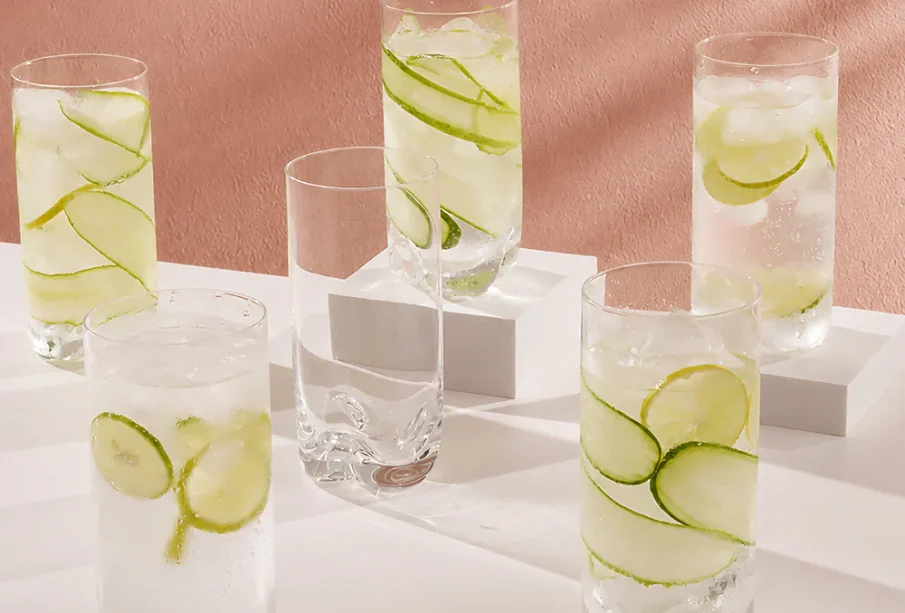
The vessel you choose to hold a beverage is far more than a aesthetic choice. Whether you are pouring a rare vintage cabernet, shaking up a classic cocktail, or cracking open a craft beer, the shape, size, and thickness of your glassware directly impact the flavor, aroma, and overall enjoyment of the drink.
Using the correct glassware ensures that the beverage hits your palate at the right angle, maintains its optimal temperature, and concentrates the volatile aromatics that define its character. This comprehensive guide breaks down how to select the perfect glass for every drink, helping you elevate your home bartending and dining experiences.
The Science of Glassware: Why the Vessel Matters
Before diving into the specific types of glasses, it is essential to understand why the shape of a glass matters. Your senses of smell and taste are inextricably linked. In fact, a significant portion of what we perceive as flavor actually comes from aroma.
Glassware is engineered to manage three primary variables:
-
Aroma Concentration: Tapered rims trap and direct aromatic compounds toward your nose as you sip.
-
Temperature Control: Stems prevent your hands from warming up chilled drinks, while thick bases insulate spirits served neat.
-
Palate Delivery: The width of the rim influences where the liquid first lands on your tongue, subtly altering how you perceive sweetness, acidity, and bitterness.
Wine Glassware: Enhancing the Grape
Wine is perhaps the most sensitive beverage when it comes to glassware. The division between red, white, and sparkling wine glasses is entirely rooted in science.
Red Wine Glasses
Red wines need space to breathe. They have heavier tannins and complex compounds that require oxygen to open up. Red wine glasses generally feature large, round bowls to increase the surface area of the liquid.
-
Bordeaux Glass: This is a tall glass with a broad bowl. It is designed for full-bodied red wines like Cabernet Sauvignon and Merlot. The height creates distance between the wine and the nose, allowing ethanol vapors to dissipate while delivering the wine directly to the back of the mouth to maximize rich flavors.
-
Burgundy Glass: Characterized by a wider, more balloon-like bowl and a narrower rim, this glass is built for delicate, aromatic reds like Pinot Noir. The wide bowl accumulates the subtle aromas, while the tapered rim concentrates them perfectly for the drinker.
White Wine Glasses
White wines do not require as much oxidation as red wines. They are also typically served chilled, meaning the glass needs to preserve that crisp temperature.
-
Standard White Wine Glass: This glass features a smaller, more U-shaped bowl than a red wine glass. The smaller surface area minimizes air exposure, keeping the wine cold, while the shape directs the crisp acidity straight to the center of the tongue.
-
Chardonnay Glass: Full-bodied whites like oaked Chardonnay benefit from a slightly larger bowl with a wider opening, which balances the rich, buttery textures with the wine’s acidity.
Sparkling Wine Glasses
Sparkling wine relies heavily on the retention of carbon dioxide.
-
The Champagne Flute: This iconic, narrow glass features a small surface area at the top, which prevents the bubbles from escaping too quickly. The beaded indentation at the very bottom of the flute encourages a continuous, beautiful stream of bubbles.
-
The Champagne Coupe: A vintage alternative with a wide, shallow bowl. While stylish, the coupe causes bubbles and aromas to disperse rapidly, making it less ideal for high-quality vintage champagnes but excellent for visual presentation.
Cocktail Glassware: Form and Function
The cocktail renaissance has brought back a dazzling array of glassware, each tailored to specific mixing techniques, ice requirements, and presentation styles.
The Coupe and Martini Glass
Both of these glasses are meant for drinks that are shaken or stirred with ice but served “up,” meaning strained into a glass without ice. The long stem ensures your hand never warms the chilled liquid.
-
Martini Glass: The V-shape provides a large surface area, allowing the aromas of spirit-forward drinks like a classic gin martini or a Manhattan to open up completely.
-
Coupe Glass: With curved sides, the coupe is less prone to spilling than the sharp angles of a martini glass. It is the preferred choice for modern cocktail bars serving daiquiris, sidecars, and paper planes.
The Lowball and Highball
These are the workhorses of any home bar, designed for drinks built directly in the glass with ice.
-
Lowball (Rocks or Old Fashioned Glass): A short, wide glass with a heavy, thick bottom. The substantial base is crucial because it allows you to muddle ingredients like sugar, citrus peels, and bitters directly in the glass. It is ideal for neat spirits, spirits on a large rock of ice, or classic cocktails like the Negroni.
-
Highball (Collins Glass): Tall, straight, and slender, the highball glass is designed to hold a large volume of ice and a carbonated mixer. The narrow shape helps maintain effervescence, making it perfect for a Gin and Tonic, Tom Collins, or Mojito.
Beer Glassware: Managing Head and Carbonation
Pouring a beer into a standard pint glass is acceptable, but matching the beer style to the correct glass unlocks hidden depths of flavor and improves head retention.
-
The Pint Glass (Shaker Pint): This is the standard, conical American pint glass. While durable and easy to stack, it is not actually designed to enhance beer flavor. It is best suited for casual drinking of simple lagers and ales.
-
The Tulip Glass: Featuring a bulbous body and a flared lip, the tulip glass captures the volatile aromatics of hop-heavy IPAs, Belgian ales, and sour beers. The flared rim supports a healthy foam head.
-
The Weizen Glass: Tall, slender, and curved near the top, this glass is specifically engineered for German wheat beers. The length traps yeast sediment at the bottom while allowing the thick, fluffy head characteristic of the style to expand at the top.
-
The Snifter: Originally used for brandy, the snifter has a short stem and a wide bottom that narrows at the top. It is used for heavy, high-alcohol beers like Imperial Stouts and Barleywines, as the shape concentrates complex, boozy aromas.
Spirits and Liqueurs: Sipping with Precision
When enjoying high-end spirits neat, the glass must balance the high alcohol content with the delicate notes of the wood and grain.
-
The Glencairn Glass: This is the gold standard for whiskey tasting. Its tulip shape is designed to let alcohol vapors escape through the wide bottom while channeling the sweet, smoky, or fruity aromas of bourbon and scotch directly to the nose.
-
The Neat Glass: A modern design with a highly flared rim that pushes intense alcohol burn away from the nose, allowing the drinker to smell the underlying ingredients without the harsh sting of ethanol.
A Summary of Glassware Pairings
| Drink Category | Recommended Glass | Key Benefit |
| Cabernet Sauvignon | Bordeaux Glass | Dissipates ethanol, highlights rich fruit notes |
| Pinot Noir | Burgundy Glass | Concentrates delicate, floral aromas |
| Sauvignon Blanc | Standard White Glass | Preserves cold temperature and crisp acidity |
| Champagne | Flute or Tulip | Maintains carbonation and displays bubble streams |
| Old Fashioned | Rocks Glass | Heavy base allows for muddling ingredients |
| Gin and Tonic | Highball Glass | Maximizes coldness and retains carbonation |
| India Pale Ale (IPA) | Tulip Glass | Enhances hop aromas and supports a thick head |
| Single Malt Scotch | Glencairn Glass | Concentrates complex aromas while venting alcohol burn |
Frequently Asked Questions
Why do some glasses have stems while others do not?
Stems serve a functional purpose beyond appearance. They keep your hands away from the bowl of the glass. For drinks served chilled without ice, like white wine or a martini, holding the stem prevents body heat from warming up the liquid. For drinks served at room temperature or with ice, stemless glasses or heavy bases are perfectly acceptable.
Can I use a regular white wine glass for red wine if I do not have a red wine glass?
Yes, you can. A standard white wine glass will still perform better than a standard plastic cup or a coffee mug. However, because the bowl is smaller, you may want to pour smaller portions to give the red wine a bit more room to swirl and aerate within the limited space.
Why is the rim thickness of a glass important?
The thickness of the rim affects the flow of the liquid onto your tongue. High-quality glassware features a laser-cut, ultra-thin rim that allows the liquid to glide smoothly onto your palate. Cheaper glassware often has a rolled, thick rim that can disrupt the flow and distract from the texture of the drink.
Does crystal glassware actually make a drink taste better than regular glass?
Crystal is spun finer than standard glass, allowing for a thinner rim and a smoother surface. This microscopic roughness in crystal can actually help release more aromatic compounds when you swirl a wine or spirit. While it does not change the chemical composition of the drink, it enhances the sensory perception of it.
How should I clean high-quality glassware to avoid ruining the taste of my next drink?
It is best to hand wash fine glassware using warm water and a minimal amount of unscented dish soap. Soap residue can cling to the glass, killing the head on a beer or altering the flavor profile of a fine wine. Air dry the glasses upside down on a clean towel, or polish them with a microfiber cloth to prevent water spots.
What is the most versatile cocktail glass for a minimalist home bar?
If you can only choose one cocktail glass, the coupe glass is the most versatile option. It can elegantly hold martinis, manhattans, sour cocktails, and even sparkling wine. It offers the functional benefits of a stem while being less prone to tipping over than a traditional V-shaped martini glass.
Why does beer lose its carbonation faster in certain glasses?
Beer loses carbonation when it comes into contact with imperfections on the surface of the glass, creating bubbles that rise to the top. If a glass has invisible soap film, oil from your fingers, or dust inside it, it will cause the carbonation to release rapidly, leaving the beer flat. A completely clean glass ensures stable, long-lasting carbonation.