

How to Pivot from Line Cook to Private Chef
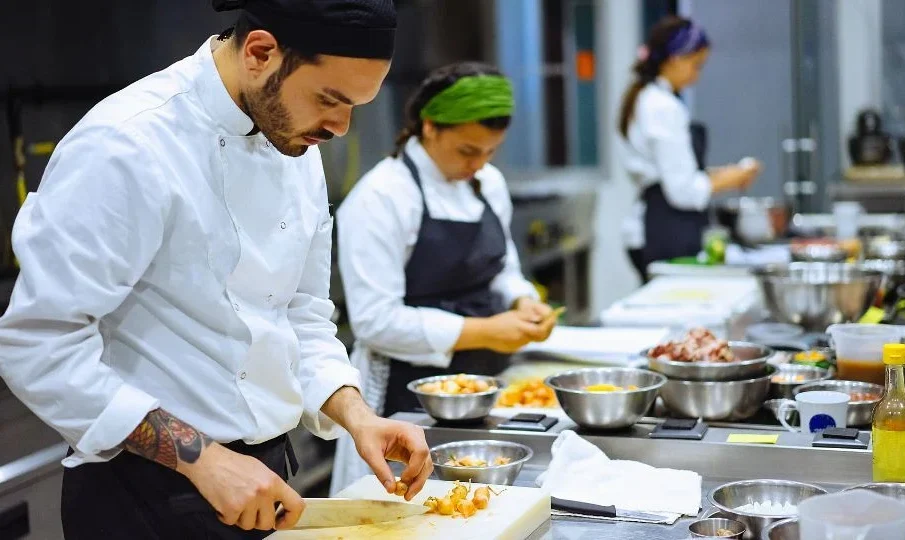
Working as a line cook is an intensive education in the culinary arts. The relentless pace, the extreme heat, and the constant demand for consistency build an invaluable foundation of speed, technical skill, and stress tolerance. However, many line cooks eventually hit a wall. The combination of long hours, physical exhaustion, and capped wages often prompts culinarians to look for alternative career paths where they can reclaim autonomy over their time, creativity, and income.
Pivoting into the world of a private chef is one of the most rewarding transitions a line cook can make. It allows you to step out from behind the ticket machine and step into a space where you interact directly with clients, control your schedule, and execute your own menus.
This transition requires far more than just knowing how to cook well. It demands a complete shift in mindset from being an employee who executes someone else’s vision to operating as an independent business owner and hospitality professional.
The Mental Shift: Moving Beyond the Line
The most immediate shock when moving from a commercial restaurant kitchen to a private residential kitchen is the complete absence of structure. On the line, everything is provided for you. The prep list tells you what to do, the tickets dictate when to cook, and the dishwasher handles the cleanup.
As a private chef, you are the entire operation. You are the executive chef, the line cook, the purchasing manager, the driver, the server, and the dishwasher.
-
The Loss of Commercial Infrastructure: Residential kitchens lack the raw power of commercial equipment. You will no longer have access to a high-BTU burner that boils water in seconds, a massive walk-in cooler, or an industrial dish machine that sanitizes pans in sixty seconds. You must learn to cook complex meals using standard home appliances.
-
The Client Facing Reality: Line cooks are traditionally hidden from the public. You can complain, sweat, and use colorful language in the back of house without consequence. In a private setting, you are under a microscope. You must maintain a clean, organized workspace while remaining personable, conversational, and highly professional in front of your clients.
-
Self-Motivation: There is no expeditor shouting out times. If you fail to manage your time during prep, you will serve dinner late, which can permanently damage your reputation.
Building Your Business Foundation
Before you accept your first client, you must treat this pivot as a business launch. Working under the table might be tempting for small gigs, but building a sustainable career requires legitimacy.
Legal and Insurance Protections
You must protect yourself and your personal assets before entering a client’s home.
-
Business Structure: Set up a legal business entity, such as a Limited Liability Company (LLC) in the United States. This keeps your personal finances separate from your business liabilities.
-
Liability Insurance: This is non-negotiable. If you accidentally scratch a client’s high-end marble countertop, damage a Wolf range, or if a guest has an allergic reaction to your food, general liability insurance will protect you from catastrophic financial loss.
-
Food Safety Certification: Ensure your food handler or food manager certifications are up to date. Clients appreciate knowing that you take hygiene and safety seriously.
Financial Planning and Pricing
Many former line cooks undercharge when they start out because they are used to low hourly wages. You cannot calculate your rates based on a restaurant worker’s wage. You must factor in your time spent planning menus, driving to multiple grocery stores, prepping, cooking, serving, and cleaning, as well as the cost of gas, insurance, and self-employment taxes.
Develop a clear pricing structure. Will you charge a flat fee plus the cost of groceries, or will you charge a comprehensive per-person price? For intimate dinner parties, a per-person rate that includes all costs is often easiest for clients to understand. For ongoing meal preparation services, a flat day-rate plus the actual cost of ingredients is standard.
Developing Menus for a Private Setting
In a restaurant, the menu is fixed, and guests choose from what is available. In private cheffing, the menu is a collaborative process between you and the client. Your culinary style must remain flexible enough to accommodate various preferences, dietary restrictions, and kitchen setups.
-
-
Dietary Customization: You must become an expert in navigating severe allergies, gluten-free diets, vegan preferences, ketogenic guidelines, and low-sodium requests. The ability to make a dairy-free, gluten-free dessert taste just as indulgent as a traditional one is a massive selling point.
-
Transportability: Not every dish travels well or holds up during a long multi-course dinner. Avoid dishes that rely on instant service from a flash-fryer, as they will turn soggy by the time they reach the table. Focus on dishes where components can be prepped ahead and assembled elegantly on-site.
-
Sourcing Strategy: You can no longer rely on a broad-line distributor to drop boxes of food at your back door. You must build relationships with local butchers, fishmongers, and farmers’ markets to secure the highest quality ingredients. The story behind where you sourced the heirloom tomatoes or the grass-fed beef adds significant value to the dining experience.
-
Logistics, Packing, and Travel
The logistics of private cheffing trip up many talented line cooks. A successful dinner party depends heavily on how well you pack your mobile kit.
Never assume a client’s home will have the tools you need. Even multi-million dollar homes with beautiful kitchens often lack sharp knives, heavy-bottomed pans, or proper cutting boards. You must bring your own mobile kitchen kit to every event.
The Essential Travel Kit
-
Knives and Sharpener: Bring your personal, razor-sharp knives wrapped securely in a tool roll.
-
Spatulas and Tongs: Pack high-heat silicone spatulas, offset spatulas, and reliable kitchen tongs.
-
Thermometers and Timers: Precision is critical when you are unfamiliar with how a client’s oven calibrates heat.
-
Specialty Cookware: If a recipe requires a specific cast-iron skillet, a mandoline, or a powerful immersion blender, bring it with you.
-
Cleaning Supplies: Bring your own clean towels, sponges, and specialized cleaners to ensure you leave the kitchen in better condition than you found it.
Always ask your clients detailed questions about their kitchen setup before the event. Find out if they have a gas or electric stove, how many oven racks are available, and whether they have enough plates, silverware, and glassware for the number of guests attending. If they do not, you will need to rent or bring these items yourself.
Marketing and Acquiring Clients
As a line cook, your work was anonymous. As a private chef, your personal brand is your greatest asset. You must put effort into marketing to attract high-paying clients.
Leveraging Social Media
Instagram and TikTok are powerful tools for personal chefs. You do not need to be a major influencer, but you do need a professional, clean digital portfolio.
-
Post high-resolution photos of your plated dishes. Use natural light whenever possible.
-
Show behind-the-scenes footage of your prep process and the final table setting in a client’s home.
-
Highlight your cleanliness and organization. A video showing a sparkling clean kitchen at the end of the night builds immense trust with potential clients.
Word of Mouth and Networking
The private chef industry runs heavily on trust. People are hesitant to invite a stranger into their homes to handle their food unless that person comes recommended. Offer to cook a discounted dinner for a well-connected friend or local professional in exchange for honest reviews and referrals. Once you secure your first few regular clients, treat them exceptionally well. High-net-worth individuals tend to socialize with other high-net-worth individuals, and a single strong recommendation can quickly fill your calendar for the entire season.
Frequently Asked Questions
What is the main operational difference between a personal chef and a private chef?
A personal chef typically serves multiple clients, often preparing a week worth of meals in advance, packaging them, and leaving reheating instructions. A private chef generally works exclusively for one individual or family, often living on the property or traveling with them to prepare all daily meals fresh on-site.
How should a beginner handle grocery shopping logistics for multiple courses?
Always create an itemized shopping list organized by grocery store department to save time. Shop for non-perishables the day before the event, and reserve the morning of the dinner party for picking up fresh seafood, meats, and delicate produce. Always buy a small surplus of critical ingredients to account for any unexpected kitchen mistakes.
What should a chef do if a client’s oven malfunctions during a live dinner service?
Keep calm and remain flexible. Pivot to utilizing the stovetop burners for searing, braising, or pan-roasting components that were originally meant for the oven. If necessary, adjust the presentation of the dish to fit the cooking methods available, and communicate professionally with the host if a timeline shift is unavoidable.
Is it standard practice for a private chef to provide the dinnerware and plates?
It depends entirely on the agreement. Many private chefs utilize the client’s existing dinnerware if it matches the aesthetic of the menu. However, for high-end multi-course tasting menus, many chefs prefer to bring their own matching plates and glassware to ensure consistent presentation and portion control.
How do self-employment taxes work for an independent private chef?
As an independent contractor or LLC owner, you are responsible for paying self-employment taxes, which cover Social Security and Medicare. Unlike a restaurant job where taxes are withheld automatically, you must track your income and business deductions meticulously and set aside roughly thirty percent of your earnings for quarterly estimated tax payments.
How do you handle client tips and gratuity in a private residence?
Gratuity is appreciated but should never be assumed or demanded. The best practice is to set your base pricing at a level where you are fully satisfied with the profit margin even without a tip. If a client chooses to leave a gratuity at the end of the evening for excellent service, accept it graciously as a bonus.


