Fuel and Recover: The Ultimate Singaporean Food Guide for Indoor Cyclists
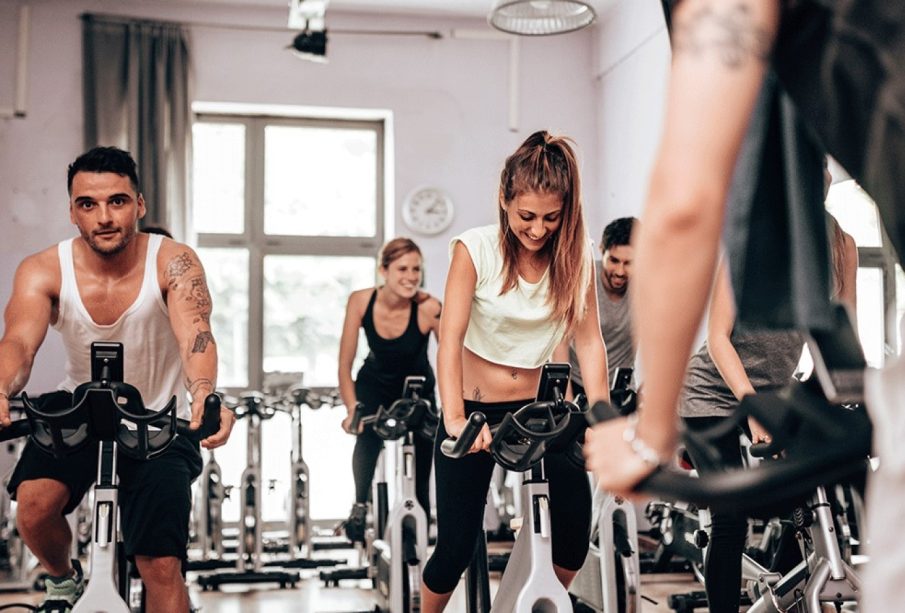
For those committed to fitness in Singapore’s fast-paced urban environment, indoor cycling Singapore offers an efficient, high-intensity way to stay fit while managing busy schedules. But while many riders focus on cadence, resistance, and performance metrics, few pay equal attention to what fuels their bodies before and after a session. The truth is that nutrition plays a central role in maximising your cycling output, speeding up recovery, and ensuring sustained energy levels throughout the day. Eating right can make the difference between feeling energised and feeling exhausted after class.
This guide explores practical and culturally relevant nutrition strategies tailored for Singaporeans—combining science, local food culture, and real-life convenience.
Why Nutrition Matters for Indoor Cycling
Indoor cycling is a demanding cardiovascular workout that rapidly burns calories while engaging major muscle groups. During a typical 45-minute class, a participant can burn anywhere from 400 to 700 calories. Your muscles rely on glycogen (stored carbohydrates) for fuel, and as these stores deplete, fatigue sets in. Proper nutrition replenishes energy, prevents muscle breakdown, and supports recovery so that you can train consistently.
Balancing carbohydrates, proteins, and healthy fats ensures your body performs efficiently. It’s not about eating less—it’s about eating right, at the right time.
Pre-Ride Nutrition: Powering Up the Right Way
What you eat before cycling sets the tone for your performance. The goal is to provide your body with quick but sustainable energy without causing discomfort during your ride.
Ideal timing: Eat 60 to 90 minutes before class.
Guidelines for a pre-ride meal or snack:
-
Focus on complex carbohydrates (oats, brown rice, whole grains) for sustained energy.
-
Include moderate protein (eggs, tofu, yoghurt) to stabilise blood sugar.
-
Avoid high-fat or spicy foods that slow digestion.
Examples of pre-ride snacks from local favourites:
-
A banana with a spoonful of peanut butter.
-
Kaya toast on wholemeal bread with a soft-boiled egg.
-
A small bowl of bee hoon soup with tofu or fish slices.
-
Greek yoghurt topped with fruit and honey.
Hydration also starts before your workout. Aim to drink at least 300–500 ml of water an hour before your session to prepare your body for sweat loss.
What to Avoid Before Cycling
Many Singaporeans grab a kopi, teh, or bubble tea for a quick energy boost. While caffeine can enhance focus, sugary drinks or heavy meals can cause energy crashes or stomach discomfort. Avoid:
-
Fried or oily food (like mee goreng or prata).
-
Sugary drinks that cause blood sugar spikes.
-
Large portions eaten less than 30 minutes before class.
The goal is to start class feeling light but energised.
During the Ride: Staying Hydrated and Alert
For sessions under an hour, water is usually sufficient. However, in Singapore’s humid climate, it’s easy to sweat out more fluids than expected. Dehydration can lead to dizziness, muscle cramps, and fatigue.
Tips for during-class hydration:
-
Sip small amounts of water every 10–15 minutes.
-
For high-intensity sessions, consider electrolyte drinks to replace sodium and potassium lost through sweat.
-
Avoid gulping large quantities of water at once, which can cause bloating.
Post-Ride Nutrition: The Recovery Phase
Your body’s recovery window is critical. Within 30 to 60 minutes after class, your muscles are primed to absorb nutrients for repair and glycogen replenishment. A combination of carbohydrates and protein is key for optimal recovery.
The ideal post-ride nutrient ratio:
-
3:1 ratio of carbohydrates to protein (for example, 60 g of carbs and 20 g of protein).
Post-ride meal ideas using local foods:
-
Brown rice with grilled chicken, tofu, or tempeh and a side of stir-fried vegetables.
-
Sliced fruit bowl with a protein shake.
-
Yong tau foo with clear broth and generous servings of greens.
-
Quinoa salad with edamame, avocado, and sesame dressing.
These meals help refuel glycogen stores, rebuild muscle tissue, and maintain energy balance.
The Role of Hydration in Recovery
Singapore’s humidity makes hydration a top priority. Replacing fluid loss ensures faster recovery and reduces fatigue.
Tips:
-
Drink 500–700 ml of water post-class.
-
Add a pinch of salt or an electrolyte tablet to your water if you sweat heavily.
-
Include hydrating foods like watermelon, cucumber, and oranges in your meals.
Smart Nutrition for Different Goals
Whether your focus is weight management, endurance, or muscle toning, your nutrition should reflect it.
1. For Weight Management
Prioritise portion control and nutrient-dense foods. Choose grilled, steamed, or soupy options instead of fried meals.
-
Replace white rice with brown rice or quinoa.
-
Choose lean proteins like fish, tofu, or chicken breast.
-
Opt for light sauces or request “less oil” when dining out.
2. For Endurance Building
Endurance riders need more carbohydrates for sustained energy.
-
Incorporate oats, sweet potatoes, or wholemeal bread into daily meals.
-
Eat small, frequent meals to maintain stable energy levels.
3. For Strength and Muscle Recovery
Protein becomes more important.
-
Include eggs, tempeh, or tofu for plant-based options.
-
Add Greek yoghurt, protein shakes, or cottage cheese for additional support.
Local Food Swaps That Work
Singapore’s hawker culture offers plenty of accessible and healthy choices once you know where to look.
| Goal | Typical Option | Better Choice | Why It Works |
|---|---|---|---|
| Pre-ride snack | Fried bee hoon | Sliced fruit with yoghurt | Lighter, easier to digest |
| Quick breakfast | Roti prata | Wholemeal toast with peanut butter | Provides energy without heaviness |
| Lunch option | Chicken rice | Sliced chicken with brown rice and steamed greens | More fibre, less oil |
| Post-ride recovery | Char kway teow | Fish soup with noodles | Balanced protein and carbs |
Timing Your Meals Around Your Schedule
Indoor cycling often happens before work or after office hours. Timing your meals correctly ensures steady energy without discomfort.
-
Morning rides: Eat a light snack like a banana or yoghurt before class, followed by a full breakfast afterward.
-
Lunchtime rides: Keep pre-ride meals small (sandwich or wrap) and enjoy a wholesome lunch post-class.
-
Evening rides: Avoid heavy meals beforehand; have a balanced dinner afterward that includes protein and fibre for overnight recovery.
Consistency is more important than perfection. The goal is to make small, sustainable changes that support your routine.
Supplements and Energy Boosters
While a balanced diet should provide most nutrients, certain supplements can support active cyclists.
-
Electrolytes: To replace lost minerals after intense rides.
-
Protein powder: Convenient for recovery when you can’t eat a full meal.
-
Omega-3 fatty acids: Help reduce inflammation and support joint health.
-
B vitamins: Support energy metabolism.
Consult a nutritionist before introducing supplements, especially if you have dietary restrictions.
Mindful Eating: Listening to Your Body
Nutrition isn’t only about what’s on your plate—it’s also about how you eat. Mindful eating helps prevent overeating and promotes better digestion.
-
Eat slowly and stop when you feel satisfied, not full.
-
Avoid eating in front of screens.
-
Stay hydrated between meals to prevent mistaking thirst for hunger.
For Singaporeans juggling hectic schedules, these small habits create lasting impact on both energy levels and mental clarity.
How TFX Promotes Holistic Wellness
TFX encourages members to view fitness holistically by combining high-performance training with nutritional awareness. Their trainers often emphasise pre- and post-workout fuelling as part of long-term success. The goal is not only to burn calories but to build a stronger, healthier relationship with food and movement.
With a mix of guided spin classes and wellness support, TFX helps members create realistic routines—blending science-backed workouts with smart nutrition choices. This sustainable balance ensures consistent progress without compromising health.
FAQs
Q1: What’s the best time to eat before an indoor cycling session?
About 60–90 minutes before class is ideal. Choose light, energy-rich foods that are easy to digest.
Q2: Should I eat if I’m attending a morning class before breakfast?
Yes. Even a banana or small slice of wholemeal toast will provide enough fuel for your ride and prevent dizziness.
Q3: What should I eat after class if I’m short on time?
Grab a protein shake or smoothie with fruit. Follow it up with a full meal within two hours for complete recovery.
Q4: Can I lose weight by combining indoor cycling with mindful eating?
Absolutely. Regular cycling paired with balanced meals helps manage calorie intake while supporting muscle development and metabolism.
Q5: Are local hawker meals suitable for recovery?
Yes, as long as you choose healthier versions. Opt for clear soups, grilled proteins, and whole grains while limiting fried or creamy dishes.
By aligning your nutrition with your indoor cycling schedule, you’ll enhance energy, recovery, and overall performance—turning every spin session into a powerful step toward better health and long-term wellness.